

M6 Central Taiwan University System Hosts Climate Resilience and Sustainability Forum ,Bringing Together Expertise in Medicine, Engineering, and Governance to Address Urban Risks and Intergenerational Responsibility

Amid the growing challenges posed by intensifying extreme weather, rising public health risks, and increasingly complex urban governance, the Central Taiwan University System (M6) held the “Resilient Taichung, Shared Future—Climate Resilience and Sustainability Forum” on December 19. The forum brought together sustainability governance units from six universities, along with scholars and policy practitioners from the fields of medicine, public health, disaster prevention engineering, spatial planning, and energy policy, to examine the real-world impacts of climate change on cities and society from an interdisciplinary perspective.
The forum was co-hosted by China Medical University and Feng Chia University, with participation from Chung Shan Medical University, Asia University, Tunghai University, and Providence University, demonstrating the collective commitment of Central Taiwan’s higher education institutions to addressing climate risks through cross-university and cross-disciplinary collaboration. In their opening remarks, Vice President Cheng-Chieh Lin of China Medical University and Vice President Kuo-Hao Tang of Feng Chia University emphasized that climate change is already exerting direct impacts on public health and urban safety. They underscored the responsibility of higher education institutions to integrate research, education, and social engagement in order to provide society with actionable knowledge and governance frameworks.
During the thematic sessions, Hung-Yi Chen, a representative of the Taichung City Government, shared local governance experiences in responding to climate risks, noting that climate adaptation and resilience-building efforts require strong academic and scientific support. Distinguished Chair Professor Ping-Chien Lee and Professor Tsu-Chiang Lei of Feng Chia University highlighted how technologies such as artificial intelligence, remote sensing, big data analytics, and digital twins can be applied to risk assessment and disaster response, thereby enhancing urban resilience.
In the “Climate and Society” session, Professor Hui-Tsung Hsu of China Medical University pointed out that the impacts of climate change on health, ecosystems, and food security have entered a highly irreversible stage. He stressed that education and policy action are essential to prevent socially vulnerable populations from bearing disproportionate climate risks. Professor An-Ting Cheng of National Chengchi University further emphasized that climate policies must incorporate spatial governance and just transition principles in order to strengthen overall societal resilience.
The forum concluded with a keynote address by Ambassador Janez H. Y. Chen, titled “Climate Adaptation and Resilient Cities.” He noted that global climate action is shifting from a sole focus on mitigation to a dual approach that integrates both mitigation and adaptation, with cities and health systems emerging as critical arenas of international climate governance. He called on higher education institutions to align education, research, and practice in support of local climate action and resilience-building.
A closing Chief Sustainability Officers’ Roundtable, moderated by Professor Chih-Hung Chou, Honorary Vice President of Feng Chia University, focused on future collaboration within the Central Taiwan higher education alliance. Professor Chou emphasized the importance of advancing a dual transformation of AI and sustainability, leveraging digital tools and data governance to enhance cross-university collaboration and decision-making efficiency. Chairman Janez H. Y. Chen further recommended that future inter-university initiatives establish short-, medium-, and long-term performance indicators aligned with international climate governance trends, in order to strengthen alliance capacity, expand international engagement, and ensure the continuity and accountability of collective action.
Overall, through integrated dialogue across medicine, engineering, and governance, the forum marked a significant step for Central Taiwan’s higher education institutions in moving from collaboration toward shared governance. It represents an important milestone in redefining the public role of higher education in an era of escalating climate risk.
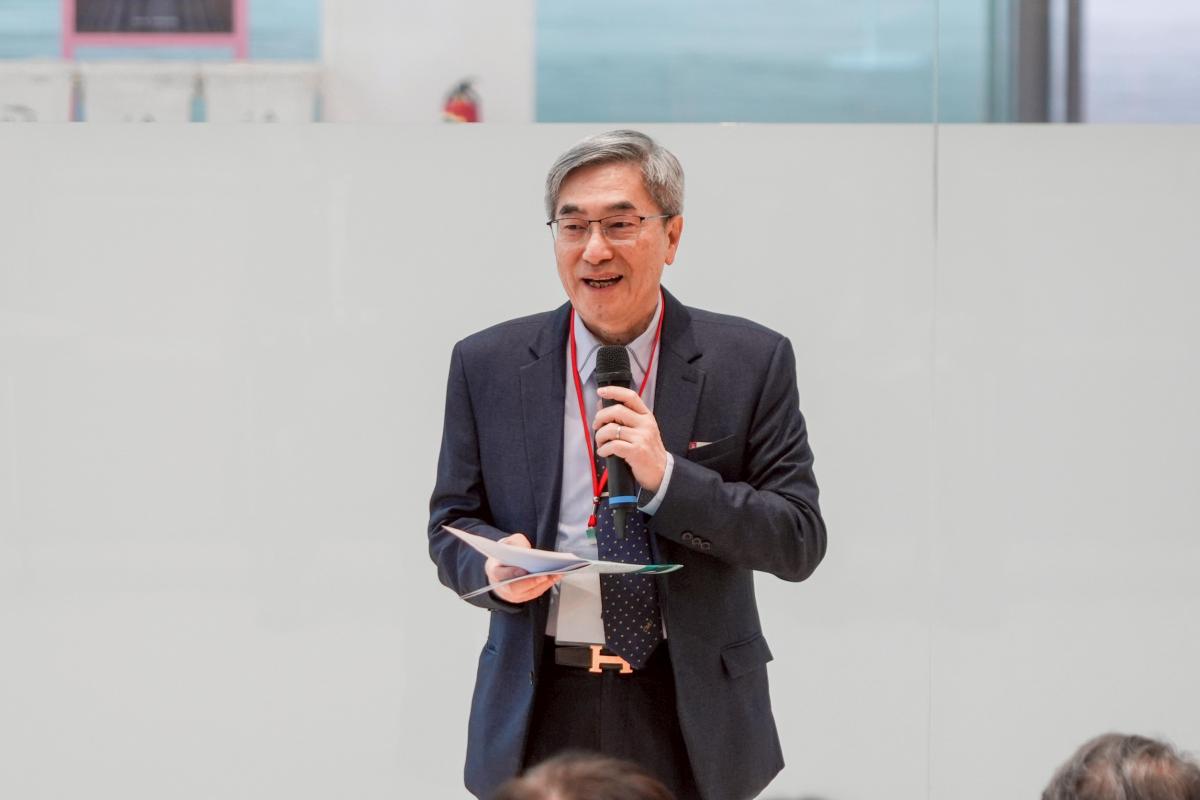
中國醫藥大學林正介副校長為大會開場致詞
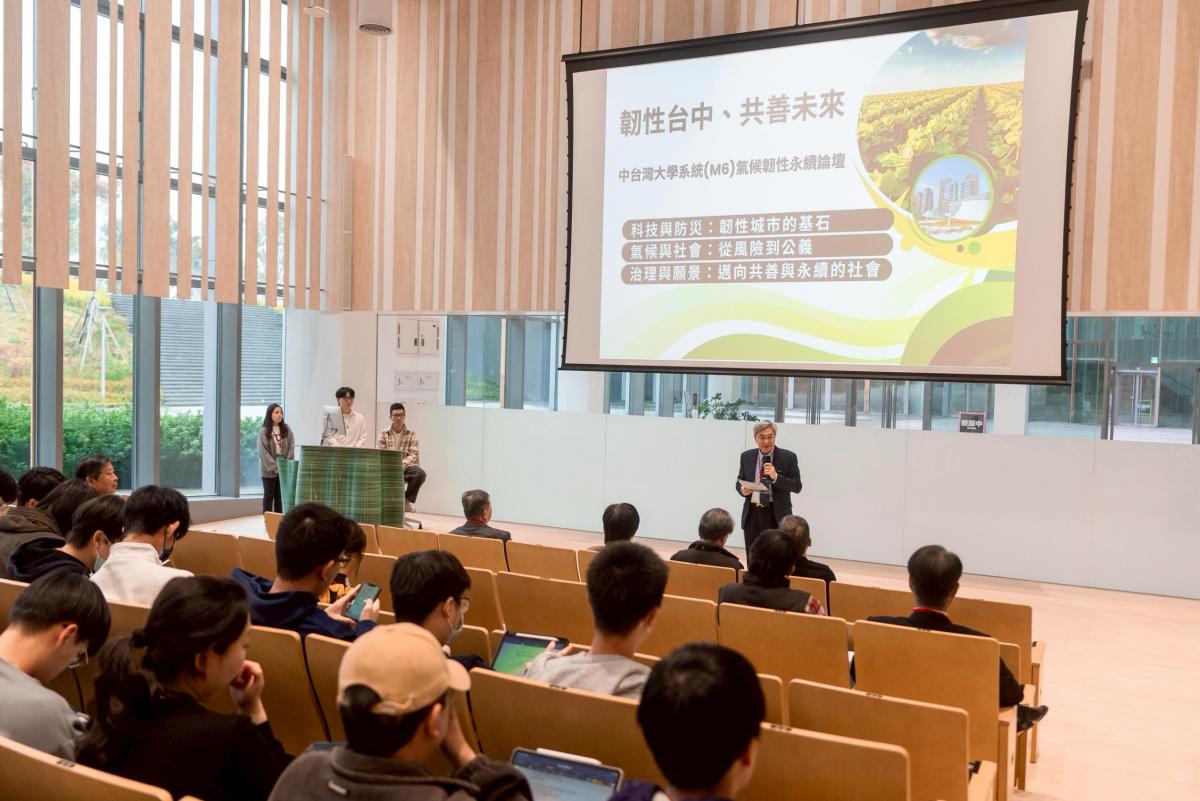
逢甲大學唐國豪副校長為大學開場致詞
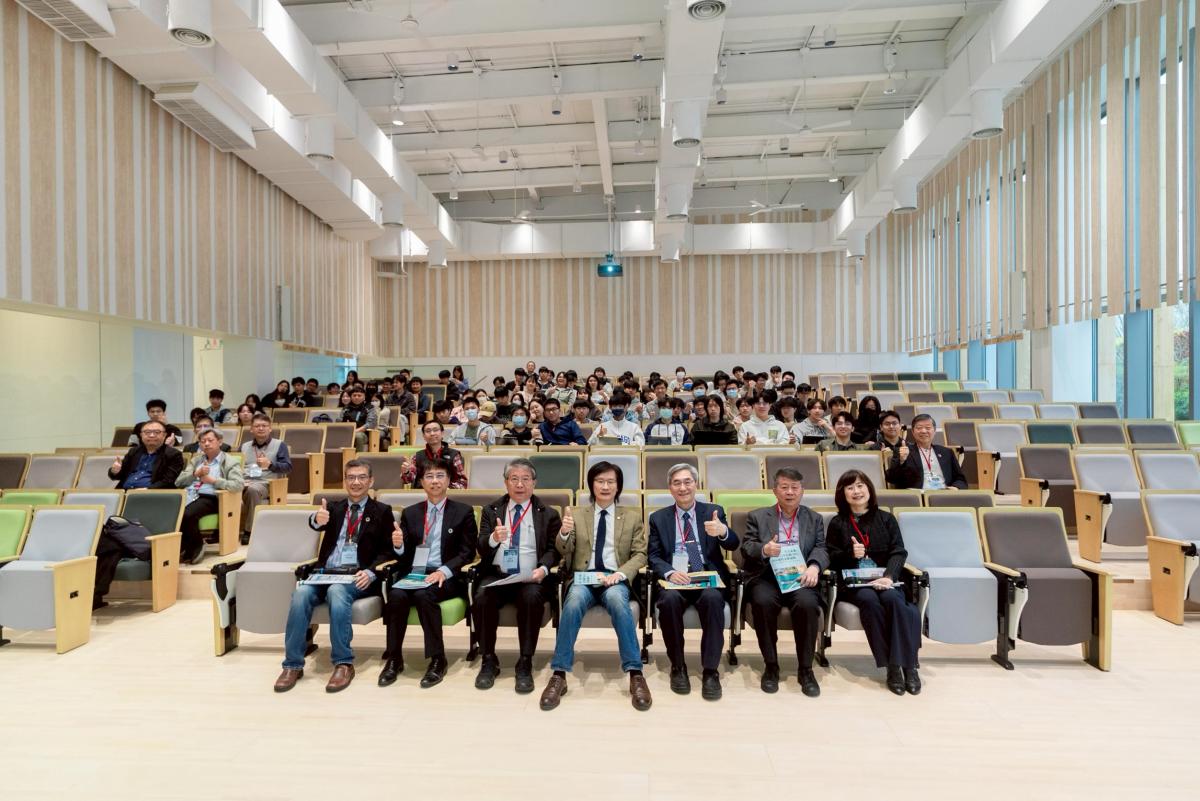
大會開幕-雙校副校長,市府長官、雙校永續長與與會師長同學合影
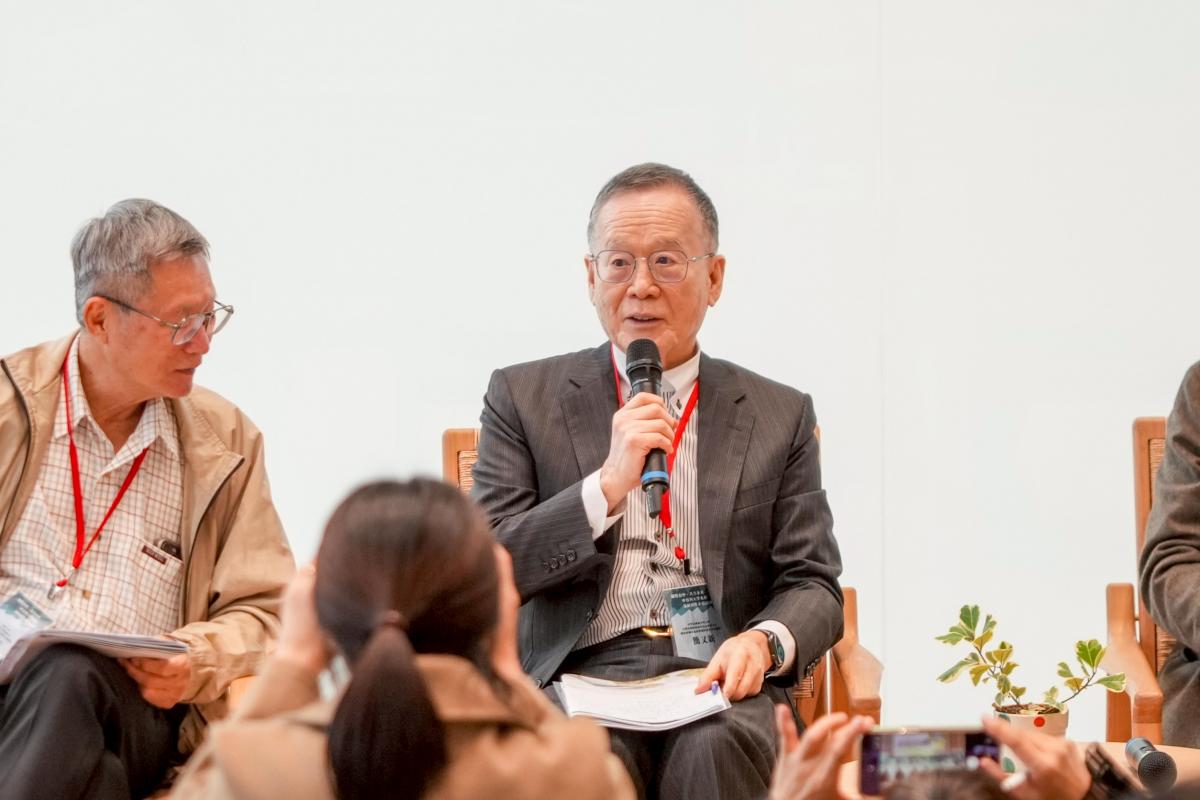
簡又新董事長指導六校永續長提出建議
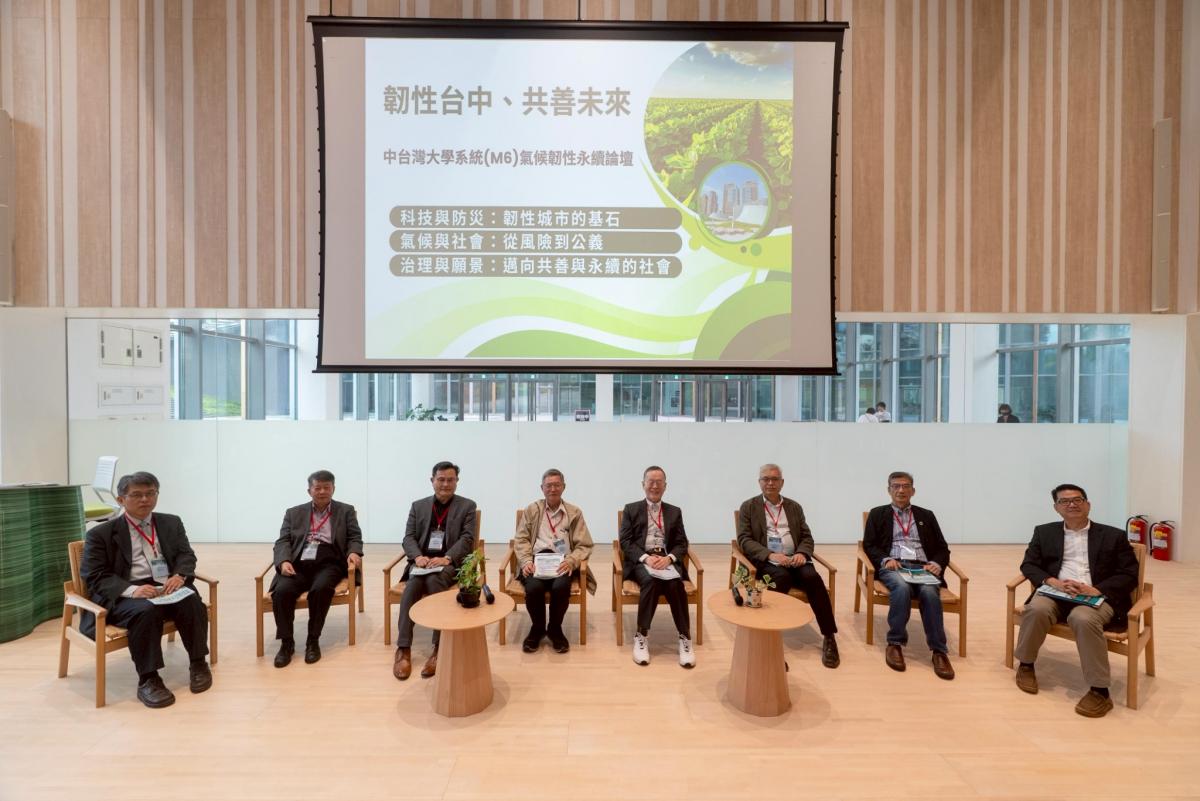
六校永續長、周至宏副校長與簡又新董事長座談合影
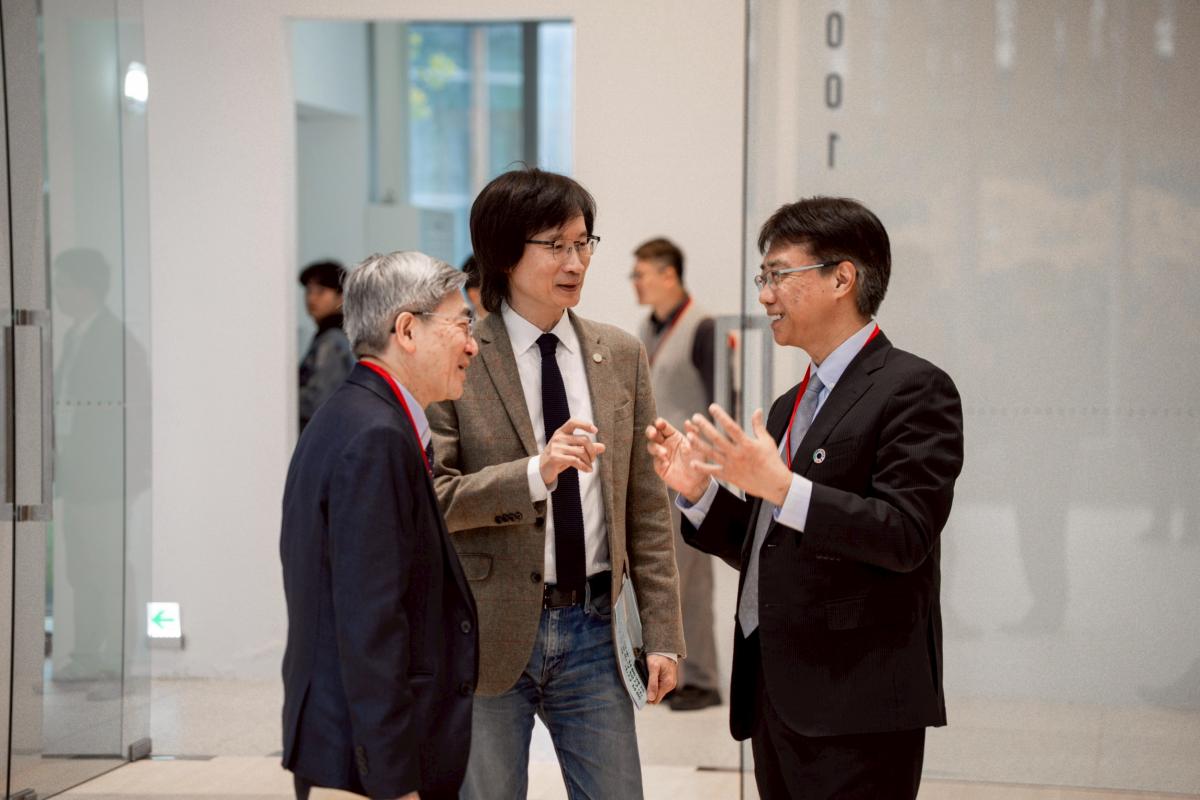
林正介副校長(左起)、唐國豪副校長與李秉乾前校長會前寒暄
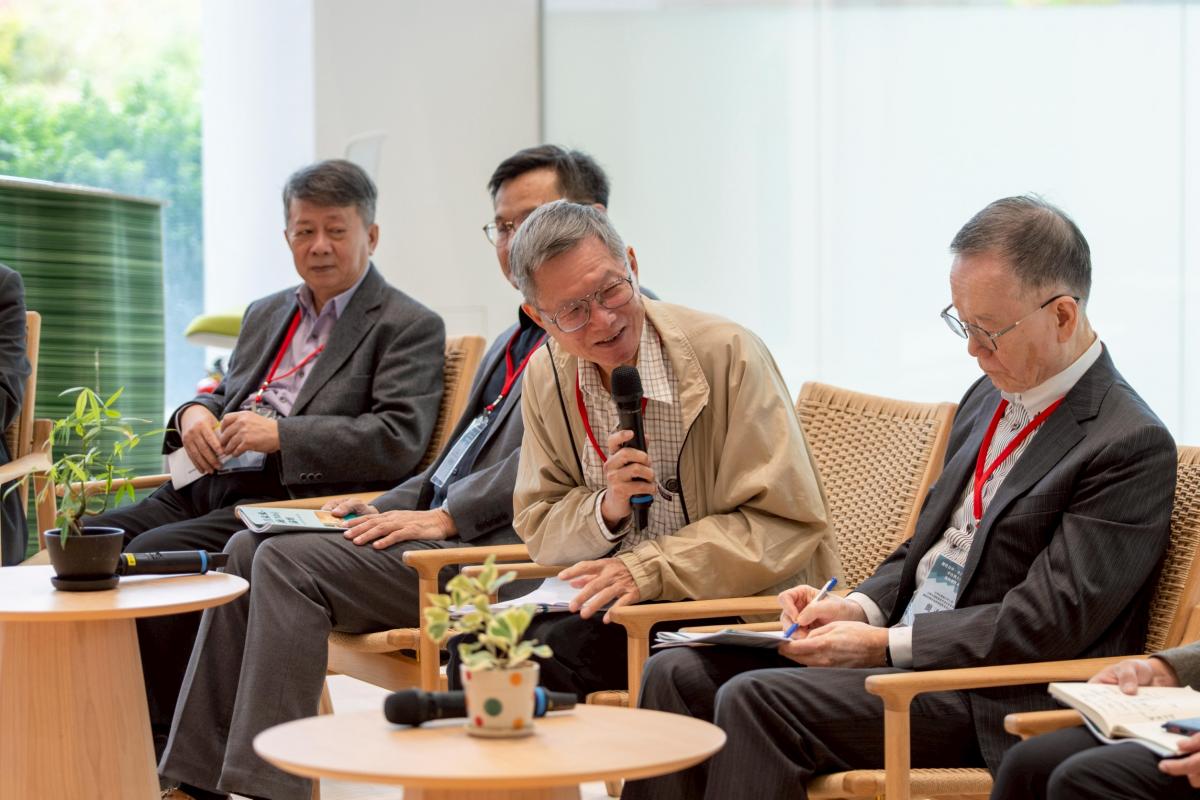
逢甲大學周至宏榮譽副校長主持六校永續長座談並與簡又新董事長合影
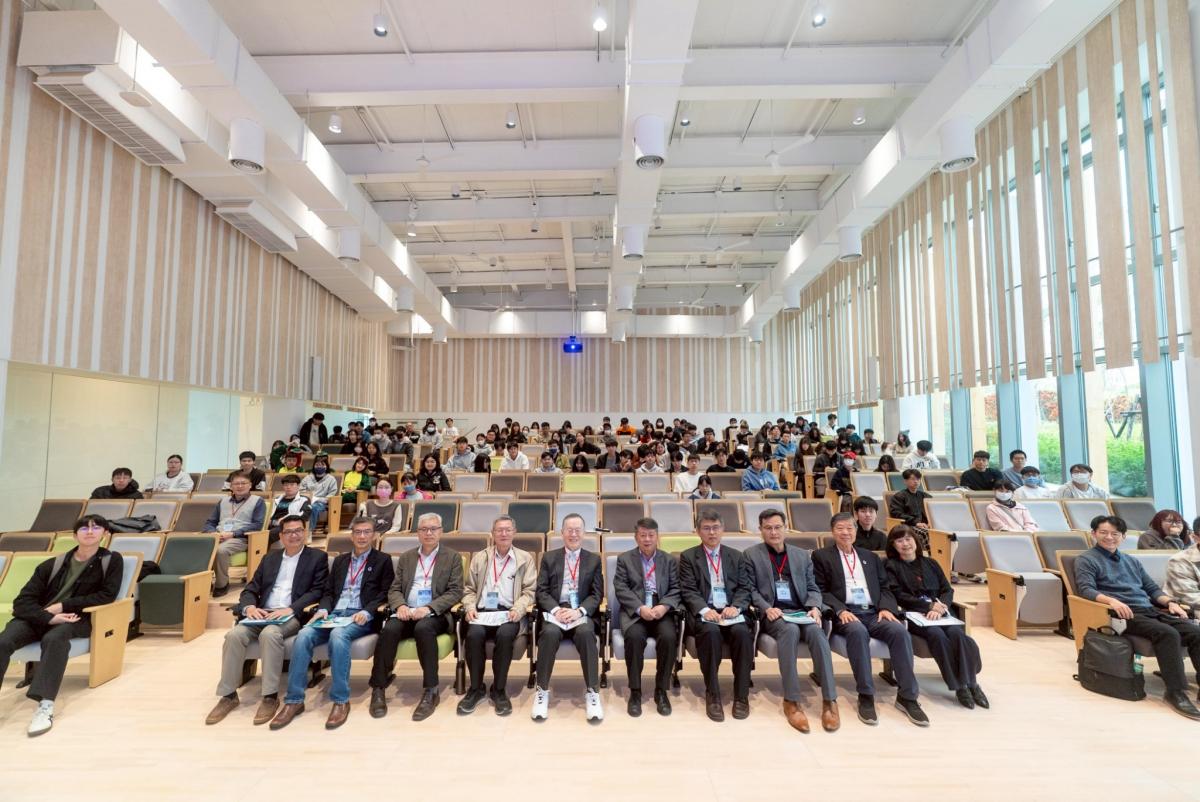
大會閉幕合影