
University Social Responsibility Reaches the Mountain Communities China Medical University’s USR Program “A Date with the Beautiful Mountain Town” Brings Food and Drug Safety to Life
“These medicines have been sitting at home for years—I didn’t know they shouldn’t be taken anymore!”
At an event in the Shangcheng Community of Dongshi District, Taichung City, an elderly resident held up leftover medications she had brought from home, asking questions and laughing as she shared her realization. This conversation did not take place in a clinic, but at a lively, interactive community challenge event filled with smiles and hands-on learning.
Organized by China Medical University’s (CMU) Food and Drug Safety USR Program, and jointly supported by the College of Chinese Medicine’s integrative Chinese–Western medicine initiatives, other university USR projects, student organizations including the Ci-You Society and the Herbal Research Club, as well as the Greater Taichung Pharmacists Association and the Taichung City Pharmacists Association, the 3rd “A Date with the Beautiful Mountain Town—Intergenerational Food and Drug Safety Challenge with Chinese Herbal Medicine” was held on January 11, 2026, in collaboration with the Shangcheng Community Office.
The event attracted nearly 300 local residents and senior citizens, transforming the community square into a vibrant gathering space filled with activity, discussion, and laughter throughout the morning. Unlike traditional health education lectures, the event centered on interactive challenge stations, turning commonly encountered—but often overlooked—food and drug safety issues into practical, hands-on learning experiences where participants could ask questions on the spot.
The stations covered topics highly relevant to daily life, including leftover medication inspection and proper disposal, correct medication use and antibiotic awareness, basic knowledge of Chinese herbal medicines, nutrition and sarcopenia prevention, and safe use of cosmetics. These were issues that residents described as “things we really encounter—and really feel confused about.”
The Shangcheng Community Chief noted that the community has a high proportion of elderly residents, many of whom take long-term medications but lack accessible opportunities to ask questions. “Bringing professional knowledge directly into the community, and explaining it in a way people can understand and are willing to engage with, is extremely important,” he said. He also observed that residents actively bringing medications from home for consultation was a rare and encouraging sight.
Many participants shared that although they often have questions, they do not always visit hospitals or pharmacies specifically to ask. In the familiar setting of their own community, however, with students and pharmacists patiently explaining, they felt more comfortable asking questions and better able to understand the information. One first-time participant remarked with a smile, “Learning through games like this is much more relaxed than sitting through a lecture—and I remember it better.”
At the event, CMU faculty members, students from pharmacy, cosmetic science, and nutrition programs, and practicing pharmacists worked together. Students guided participants through the activities, pharmacists and faculty provided professional judgment, and residents shared their own experiences—creating a natural and dynamic three-way exchange. Students reflected that only through direct conversations with community members did they truly understand the challenges and concerns elderly residents face regarding medication use. Residents, in turn, experienced firsthand how approachable professional knowledge can be.
Many seniors were familiar faces. One resident who has participated for three consecutive years shared, “The content is different every year, but it’s always relevant to daily life—and I really follow what I learn when I go home.” Such feedback has led community leaders to view the event as an increasingly anticipated annual health initiative.
Project Principal Investigator Professor Hsiang-Wen Lin emphasized that food and drug safety education cannot rely on one-time outreach alone. “Real behavioral change happens only when we co-design and participate with community leaders and residents, allowing professional knowledge to become part of everyday life,” she said.
As the event drew to a close, many residents were already asking, “Will this be held again next year?”
That question reflects the shared goal of the university, pharmacists’ associations, and the community office—to ensure that health is not just a one-day event, but a sustained effort that takes root in the community and is passed down through generations.
Looking ahead, China Medical University’s Food and Drug Safety USR Program will continue to collaborate with pharmacists’ associations and the Shangcheng community to deepen local partnerships, making food and drug safety a practical, lasting part of everyday life in the mountain communities.
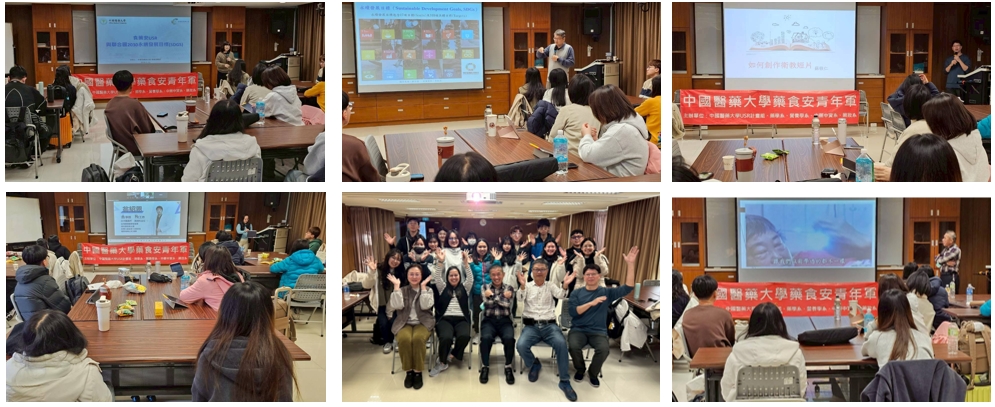
人才培訓精采課程
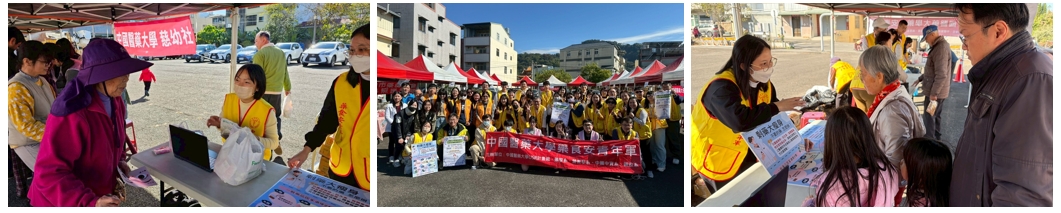
美麗山城有約—青銀傳承中草藥食藥安闖關挑戰
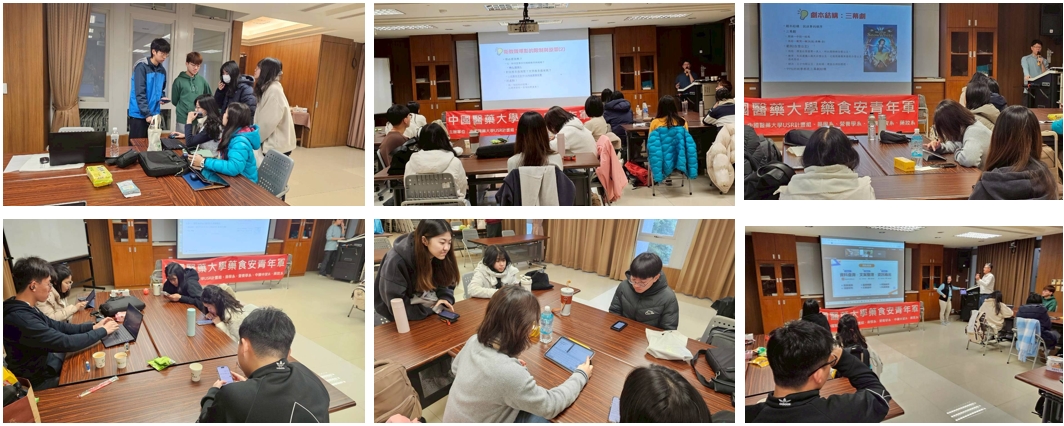
學員使用AI工具小組製作劇本討論熱烈
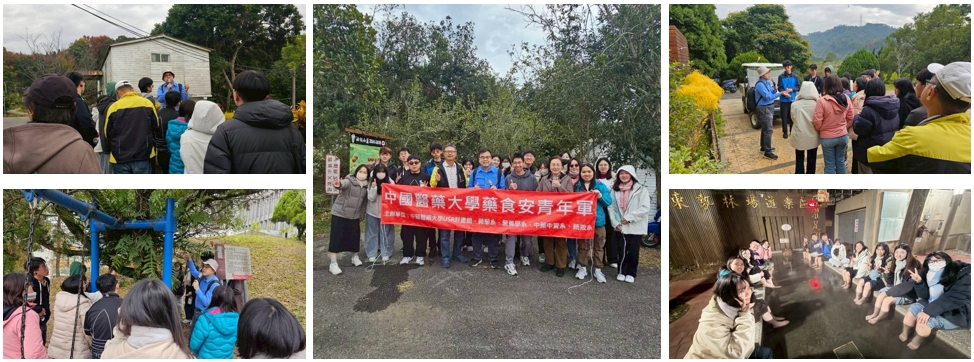
東勢林場中草藥深入探索
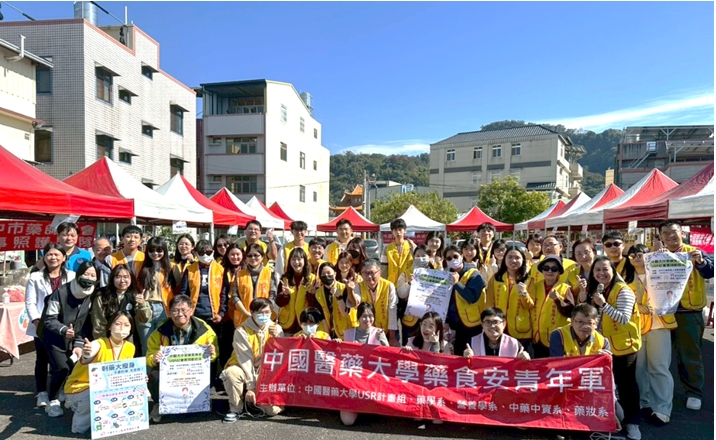
大合照